







Safety and licensing checks
Licensing is the first filter, and any site without a verifiable regulator is cut immediately. All ten ranked operators hold offshore licences, most often from the Curaçao Gaming Authority (CGA), and accept players from New Zealand. We confirm the licence is live, not lapsed, and check ownership history for red flags.
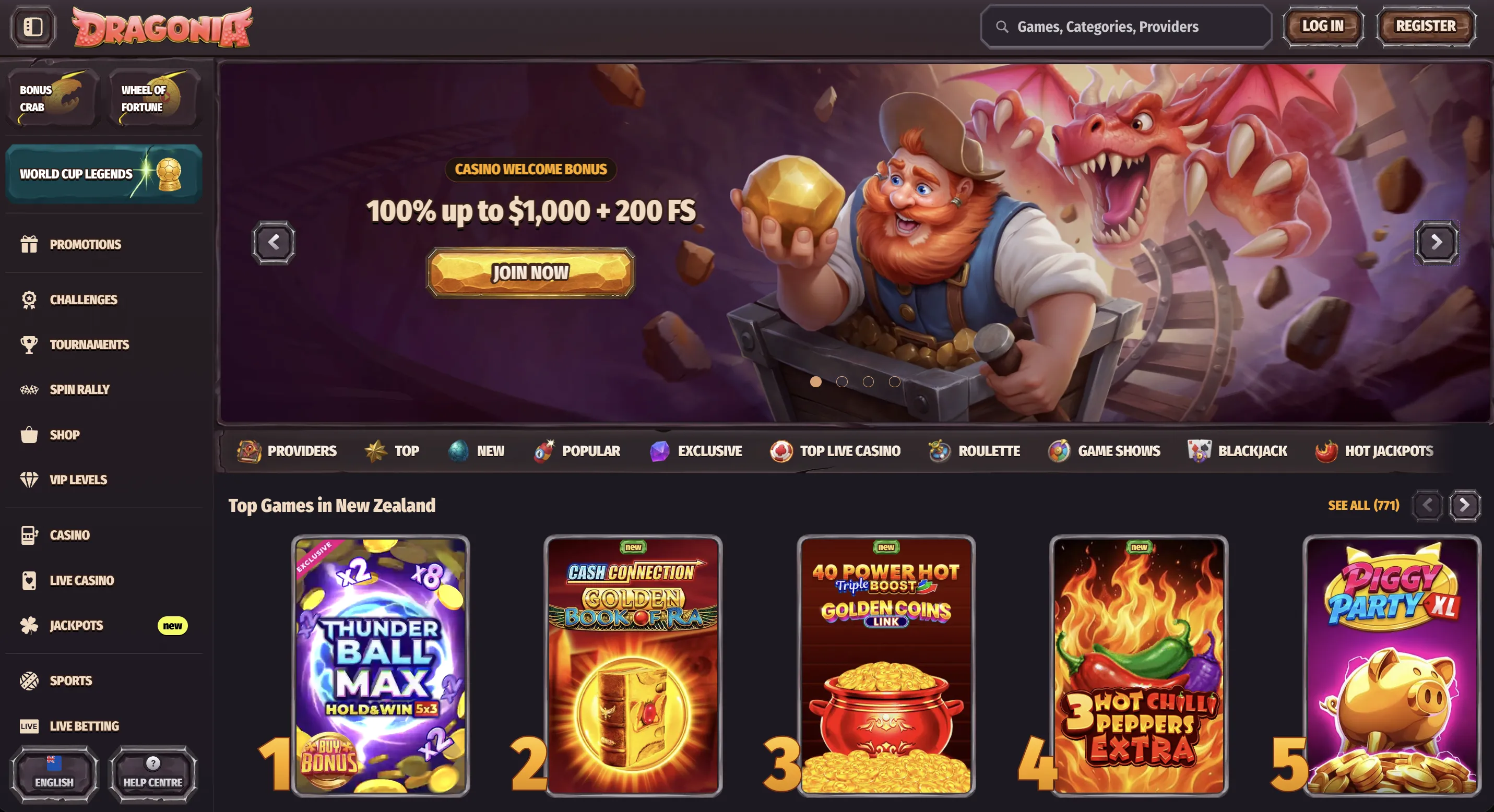
Based on our experience, a missing or vague licence page predicts slow payouts more reliably than any review score. RoboCat and Dragonia both display CGA credentials and trigger identity checks before the first cashout, the pattern we want to see. We also cross-check the corporate entity behind each brand against complaint records and prior closures, since a clean licence on a recycled shell means little.
A live licence is only the entry ticket. We log whether terms are dated and versioned, whether the privacy policy names a real data controller, and whether dispute resolution points to a named mediator rather than a dead inbox. Dragonia listed an active ADR contact in our review; a site that hides this loses points even with a valid CGA number.
Game variety and software providers
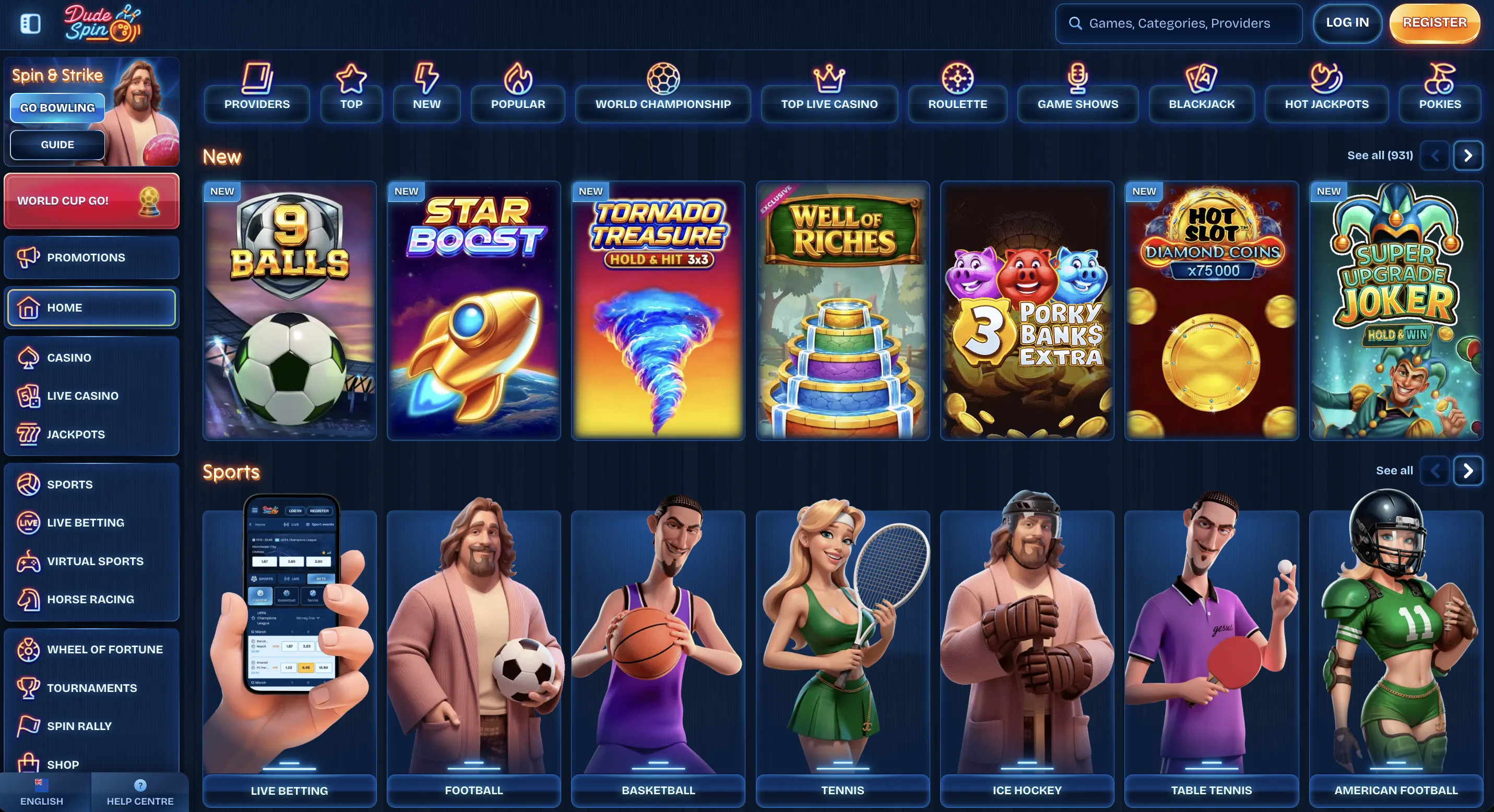
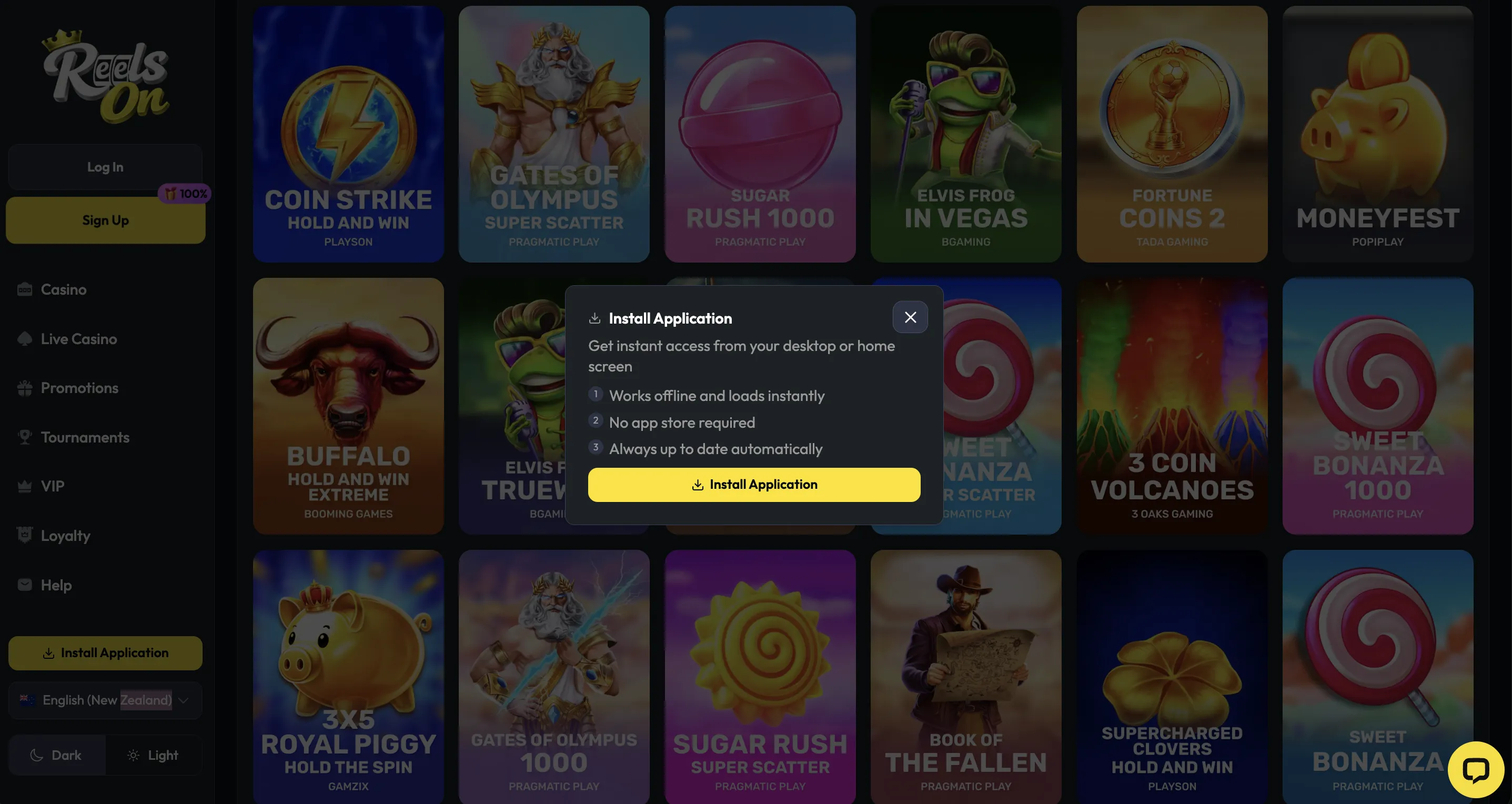
A strong library spreads risk across studios rather than leaning on one supplier. We count slots, jackpots, and table titles from names like Pragmatic Play, Play’n GO, and Evolution. DudeSpin and ReelsOn both carry several thousand titles. A NZ online casino that lists only one provider rarely holds attention past a week.
We weight breadth against depth. A lobby with 5,000 titles but only three studios scores worse than one with 2,500 spread across Pragmatic Play, NetEnt, Hacksaw, and Evolution. Jackpot range matters too: progressive networks like those behind Lucky Dreams pool prizes across many sites, so the headline figure climbs faster.
Bonuses and promotional offers
Bonus value is judged on real cost, not the headline percentage. A 400% match to NZ$30,000 at LolaJack looks huge, yet the wagering decides whether it ever converts. We model a NZ$100 deposit through each offer to find the true playthrough. Free spins on a named slot, like 200 at Dragonia, beat vague “bonus spins” with no game listed.
Expiry windows and game weighting do the quiet damage. A bonus with a seven-day clock and 10% table-game weighting forces fast, slot-only play that rarely clears in time. We note max-bet caps too: breaching a NZ$5 cap mid-bonus voids winnings at several ranked sites. The Bonus Crab at RoboCat and Dragonia adds a one-tap mini-game on top of the match, which we score as a genuine extra.
Banking options and payout speed
Cashout time separates the table leaders from the rest. We log every withdrawal from request to landing, then average three attempts per site. RoboCat returned a Skrill payout fastest in our sample. A casino online NZ with e-wallet support almost always beats one limited to cards on speed.
Pending-time policy matters as much as the rail itself. A site that holds requests in review for 48 hours wipes out any e-wallet speed advantage. We time that review window separately and penalise weekend-only processing. Method mismatches slow things too: cashing out to a card you never deposited with triggers an extra verification loop.
Mobile compatibility and user experience
Most Kiwi players load these sites on a phone first, so mobile weight matters. We open each platform on iOS and Android, then time the lobby and test a live table on data. Spin City and Spin Empire both ran smoothly in a browser without an install. A top online casino NZ keeps its full library on small screens, not a stripped-down subset.
We test on a mid-range handset, not a flagship, because that is what most players carry. A lobby that loads under three seconds on 4G scores well; one that stalls past six seconds drops marks. We also check the cashier, live chat, and account limits all work in portrait without zooming. Spin Empire kept its full game filter on mobile, while weaker sites hide search behind a cramped menu.